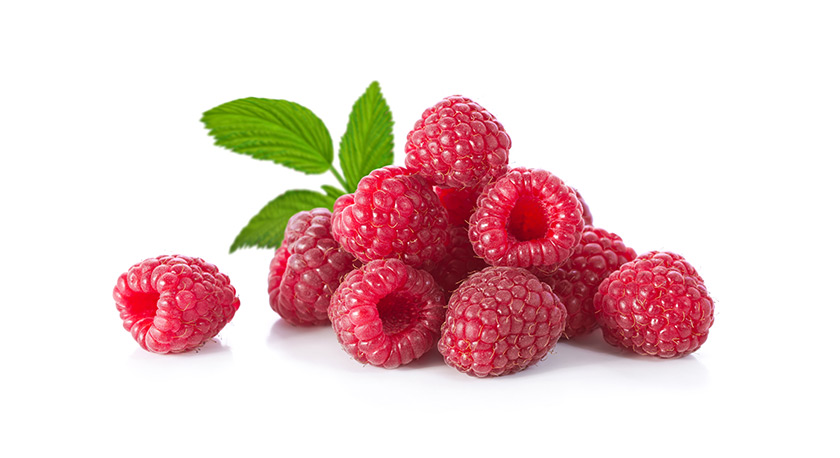
Framboesa (Raspberry): Essential Fruit Identification
The vibrant, ruby-red (or sometimes black, purple, or gold) allure of the raspberry, known in Portuguese as
Framboesa, has captivated palates worldwide for centuries. More than just a delicious treat, understanding the distinct characteristics of this delicate fruit is crucial, whether you're a home gardener, a culinary enthusiast, or involved in the high-stakes world of agricultural commerce and automated sorting. Proper identification of the **Raspberry Fruta** ensures quality, maximizes yield, and differentiates it from similar berries. This article delves into both the manual and technological aspects of identifying this beloved berry, from its botanical specifics to the cutting-edge AI systems that recognize it.
The Allure of the Raspberry Fruta: A Distinctive Berry
The **Raspberry Fruta** stands out in the berry family not just for its exquisite taste but also for its unique physical structure and nutritional profile. Botanically, it's not a true berry but an aggregate fruit, composed of numerous tiny, individual drupelets. Each drupelet contains a tiny seed, and together they form a hollow core when picked, a key differentiator from its close relative, the blackberry.
*
Sensory Appeal: Ripe raspberries offer a complex flavor profile – often a perfect balance of sweet and tart, with subtle earthy undertones. Their texture is soft, juicy, and delicate, melting in the mouth. The characteristic aroma is distinctly fruity and slightly floral, a true hallmark of freshness.
*
Nutritional Powerhouse: Beyond taste, the raspberry is celebrated for its health benefits. It's packed with:
* Dietary fiber, aiding digestion.
* Vitamin C, a potent antioxidant.
* Manganese, essential for bone health and metabolism.
* Antioxidants like anthocyanins (giving red raspberries their color) and ellagic acid, which are linked to various health protections.
*
Diverse Varieties: While red raspberries are the most common, the world of
Raspberry Fruta is much richer. Varieties include:
*
Red Raspberries (Rubus idaeus): The classic, with a sweet-tart taste.
*
Black Raspberries (Rubus occidentalis): Richer, darker, and often sweeter, with a distinct flavor.
*
Purple Raspberries: A hybrid of red and black, offering a unique taste and color.
*
Golden Raspberries: Milder and sweeter, with a beautiful amber hue.
Understanding these foundational aspects sets the stage for accurate identification, whether through human observation or sophisticated machinery.
Essential Characteristics for Manual Raspberry Identification
For centuries, the primary method of identifying fruits, including the **Raspberry Fruta**, has relied on human senses. Growers, foragers, and consumers develop an intuitive understanding of what a healthy, ripe raspberry looks, feels, and smells like. Here are the crucial characteristics for manual identification:
- Shape and Structure: Raspberries are typically conical or rounded, but their most distinguishing feature is their aggregation of small, fleshy drupelets. When picked, the fruit detaches cleanly from its central receptacle, leaving a distinctive hollow core. This is a critical point of differentiation from blackberries, which retain their white core when picked.
- Color and Ripeness:
- Red Raspberries: A vibrant, uniform red indicates peak ripeness. Overly dark or mushy fruits may be overripe, while pale or greenish areas suggest immaturity.
- Black Raspberries: Deep, glossy black is the sign of ripeness.
- Other Varieties: Look for consistent, characteristic coloring for golden or purple types.
The color should be consistent across all drupelets, with no significant discoloration or mold spots.
- Texture and Firmness: A ripe raspberry should be plump, soft but not mushy, and yield gently to light pressure. It should feel delicate yet hold its shape. Overly firm berries are likely underripe, while excessively soft or watery ones are past their prime.
- Aroma: A fresh, sweet, and slightly tart aroma is a strong indicator of a ripe and high-quality **Raspberry Fruta**. A lack of scent or an off-odor can signal sporess or spoilage.
- Size: While size varies by variety, individual raspberries typically range from 1.5 to 2.5 cm (0.6 to 1 inch) in diameter. Consistency in size within a batch often indicates careful cultivation.
Distinguishing from Look-Alikes:
The most common confusion is with blackberries. Remember the hollow core of the raspberry versus the solid, white core of the blackberry. Tayberries, another hybrid, tend to be longer and more cylindrical than raspberries, with a somewhat different flavor profile. Learning these visual and tactile cues empowers accurate manual identification, ensuring you pick or purchase the best quality **Raspberry Fruta**.
The High-Tech Frontier of Raspberry Fruta Identification and Sorting
While human judgment is invaluable, the scale of modern agriculture demands precision and speed that only technology can provide. The challenge of identifying and sorting fruits like the **Raspberry Fruta** in an industrial setting is immense. Factors like varying lighting, background noise (e.g., conveyor belts), and the delicate nature of the fruit require sophisticated solutions. This is where the integration of IoT, Artificial Intelligence, and Computer Vision, often powered by compact and efficient devices like the Raspberry Pi, comes into play.
Imagine a system designed to classify fruits based on quality. This isn't just about identifying a raspberry versus a strawberry; it's about discerning a perfectly ripe raspberry from one that's bruised, overripe, or contains defects. Advanced systems employ a hybrid pipeline to achieve this:
- Image Acquisition: High-resolution cameras capture images of fruits moving on a conveyor belt.
- Segmentation and Noise Reduction: This is a critical first step. Using computer vision techniques (like those found in libraries such as OpenCV), the system isolates the fruit from its background. It effectively "cleans" the image, removing the "noise" of the conveyor belt, ensuring that only the fruit itself is analyzed. This is crucial for accurate feature extraction.
- Feature Extraction: Once segmented, the system extracts relevant features from the fruit. These can include:
- Color: Analyzing hue, saturation, and brightness across the fruit to detect discoloration or inconsistent ripening.
- Shape and Size: Measuring dimensions and contours.
- Texture: Identifying subtle changes on the surface that might indicate bruising or disease.
- Presence of Defects: Detecting mold, blemishes, or damaged drupelets.
- AI Classification: The extracted features are then fed into a pre-trained Artificial Neural Network. For instance, models like MobileNetV2, optimized for efficiency with frameworks like TensorFlow Lite, are ideal for deployment on edge devices. This neural network has been trained on thousands of images of various quality fruits, allowing it to accurately classify the **Raspberry Fruta** as "good," "defective," "underripe," or "overripe."
- Real-time Control: Based on the AI's classification, the system, often controlled by a Raspberry Pi, sends commands to actuators. Servos and motors precisely divert fruits to different bins according to their quality, all in real-time. This ensures only premium **Raspberry Fruta** reaches the market, significantly reducing waste and improving overall product consistency.
This technological leap revolutionizes quality control, making fruit sorting faster, more consistent, and less reliant on subjective human assessment. For a deeper dive into how this powerful single-board computer is transforming fruit processing, explore
Raspberry Pi's Role in Next-Gen Fruta Quality Sorting.
From Farm to Market: The Commercial Landscape of Raspberry Fruta
The accurate identification and sorting of the **Raspberry Fruta** are not merely academic exercises; they have profound commercial implications. From the small local farmer to international trade, the quality and presentation of raspberries directly impact market value and consumer demand.
The commercial journey of the **Raspberry Fruta** takes several paths:
*
Fresh Consumption: Premium, perfectly identified fresh raspberries command the highest prices. They are carefully packed and transported to grocery stores, farmers' markets, and restaurants, where their visual appeal and pristine condition are paramount.
*
Processed Products: Raspberries that might not meet the strict aesthetic standards for fresh sale but are still of good quality are often destined for processing. This includes:
*
Jams, Jellies, and Preserves: Capturing the intense flavor for long-term enjoyment.
*
Juices and Smoothies: Providing concentrated flavor and nutrients.
*
Dessert Ingredients: Used in pies, tarts, and other confections.
*
Flavorings: For yogurts, ice creams, and beverages.
One significant segment of the processed market is **dried raspberries**. These concentrated forms offer convenience, extended shelf life, and intense flavor, making them popular ingredients in trail mixes, cereals, baked goods, and even savory dishes. The global trade in dried **Raspberry Fruta** is a testament to its versatility and enduring appeal, allowing consumers to enjoy the fruit year-round, regardless of seasonal availability. China, among other countries, plays a significant role in the production and commerce of various dried fruit products, including raspberries, which are exported worldwide. This segment highlights how different forms of the fruit cater to diverse market needs and consumer preferences. To understand the vast array of options and the dynamics of this market, delve into
Exploring Dried Raspberry Fruta: Products and Commerce.
The ability to accurately identify and grade raspberries at every stage—from harvesting to processing—ensures minimal waste, maximizes profitability for growers, and guarantees that consumers receive a product that meets their expectations, whether fresh or processed.
Conclusion
The **Raspberry Fruta**, or Framboesa, is a marvel of nature, beloved for its exquisite taste, delicate texture, and impressive nutritional value. Its essential identification is a multifaceted process, encompassing both the traditional, sensory-based methods honed by generations of growers and the cutting-edge, AI-driven technologies that are revolutionizing modern agriculture. From recognizing the hollow core that defines it, to understanding its diverse varieties and detecting subtle defects with computer vision, accurate identification is paramount. It not only ensures the delightful quality of the fresh fruit we enjoy but also underpins the efficiency and profitability of its journey from farm to market, in all its forms, including the burgeoning trade in dried products. As technology continues to advance, the future of **Raspberry Fruta** promises even greater precision in handling, ensuring that this cherished berry continues to enrich our tables and delight our senses for years to come.